
UNCANDLE Buyer Guide
Are Scented Candles Bad for Cats?
Scented candles can irritate a cat’s airways, especially if the cat has asthma or another respiratory condition. The flame, hot wax, and heated container can also cause burns. If you light a scented candle, keep it in a well-ventilated room your cat cannot enter and stay with it until you put it out. If your cat has asthma, ask your veterinarian about avoiding candle smoke and scented products at home.
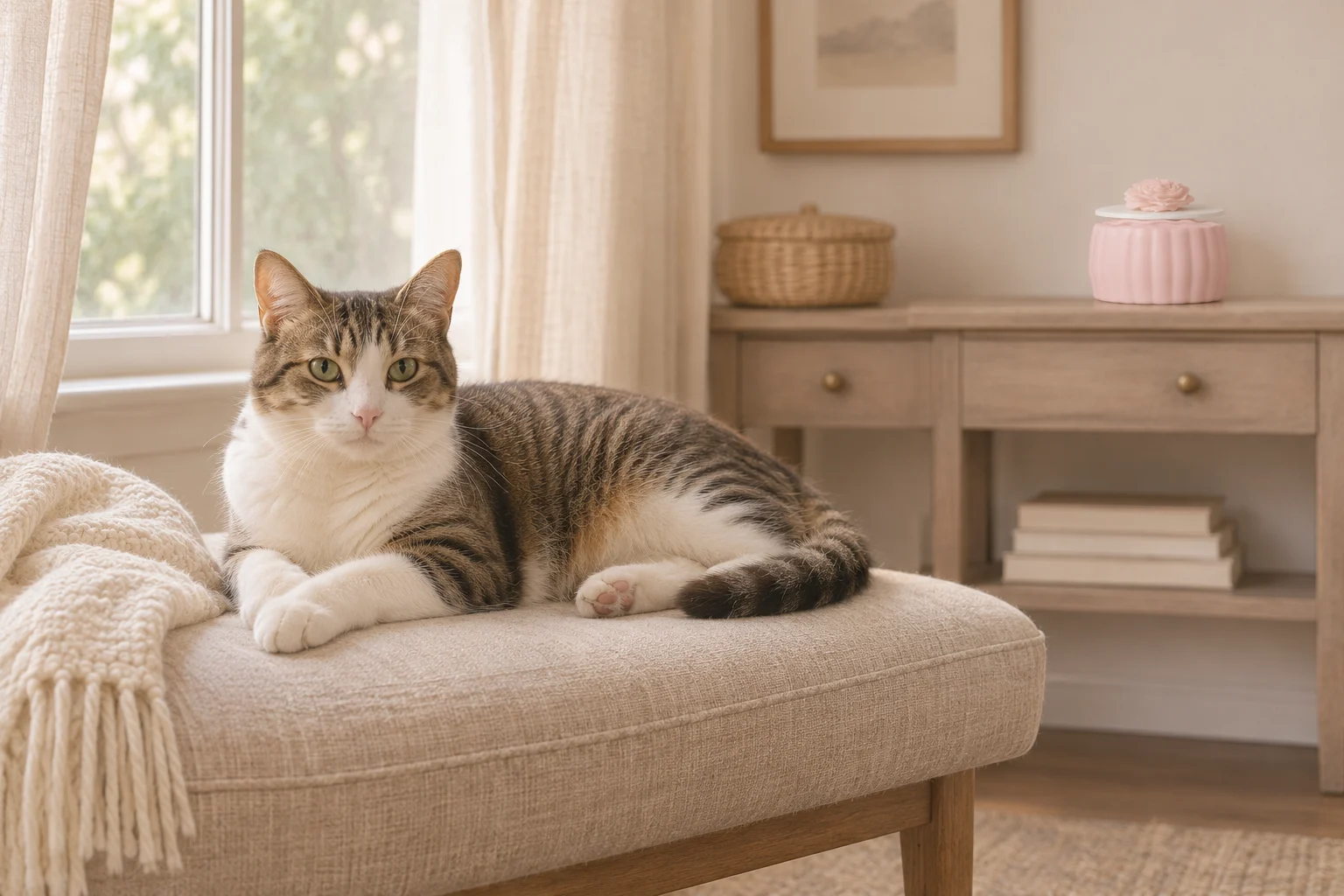
Why Can Scented Candles Be a Problem for Cats?
Candle Smoke and Respiratory Irritation
Cornell University’s College of Veterinary Medicine lists smoke from candles and fireplaces among the suspected triggers of feline asthma. If your cat coughs or wheezes around a burning candle, put it out and move the cat away from the exposure. Call your veterinarian promptly if your cat wheezes or coughs repeatedly.
Fragrance Oils and Essential Oils
The risk from an essential oil depends on the material, its concentration, and how the cat was exposed. Pet Poison Helpline lists tea tree, eucalyptus, peppermint, cinnamon, citrus, and pine oils among oils associated with poisoning in cats. Treat suspected swallowing or skin contact with concentrated oil as a separate concern from exposure to the fragrance of a finished candle. The Merck Veterinary Manual identifies respiratory irritation as the main hazard from airborne exposure to essential oils used in candles and other passive fragrance products.
Open Flames and Hot Wax
A cat can jump onto a table, knock over a candle, or brush against a hot jar. Use a stable, heat-resistant surface in a room your cat cannot access while the candle is burning. Stay in the room and extinguish the candle before leaving.
When Should You Call a Vet?
If your cat is breathing with its mouth open, struggling to breathe, or breathing unusually fast while resting and the rapid breathing continues, seek emergency veterinary care immediately. Cornell’s guide to breathing difficulty in cats explains why breathing distress requires urgent care regardless of the suspected cause.
| Possible Sign | What to Do |
|---|---|
| Watery eyes or nose, or occasional sneezing | Stop the exposure. Contact your veterinarian if signs persist or return. |
| Repeated coughing or wheezing | Move your cat away from the source and call your veterinarian promptly. |
| Open-mouth breathing, labored breathing, or persistent rapid breathing at rest | Seek emergency veterinary care immediately. |
| Drooling, vomiting, tremors, or unsteady walking after possible essential oil exposure | Contact a veterinarian or animal poison service immediately. |
If you suspect your cat swallowed concentrated essential oil or got it on its skin or fur, contact a veterinarian or animal poison service immediately, even if symptoms have yet to appear. Keep the product label available and do not induce vomiting after suspected essential oil ingestion.
Which Candle Scents Are Safe for Cats?
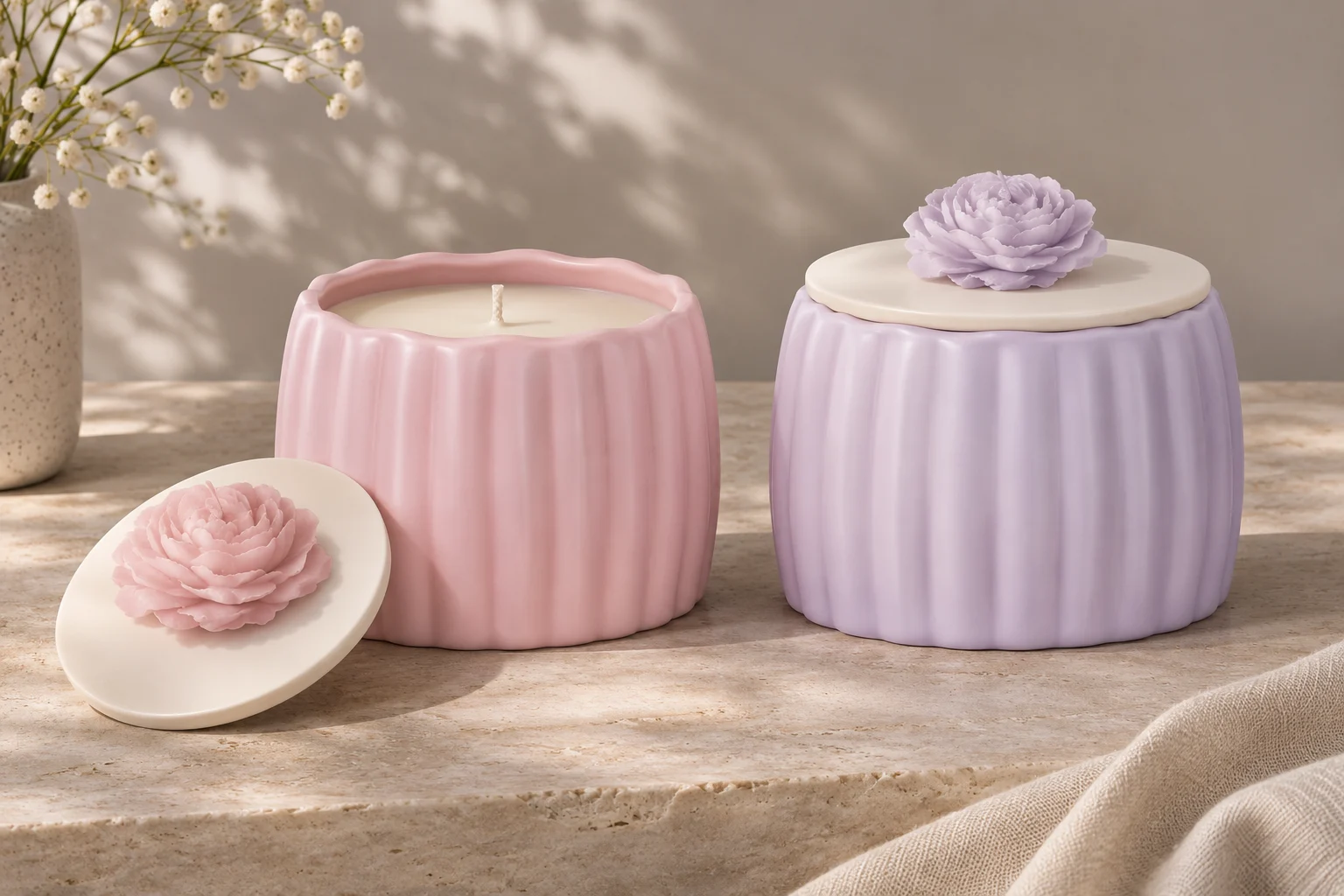
There’s no reliable list of candle scents that are safe for every cat. The name of a candle scent tells you little about the ingredients in the fragrance blend or how much of each it contains. For example, a lavender-scented candle may use a fragrance blend that differs from pure lavender essential oil. If your cat has asthma or reacts to scented products, discuss exposure with your veterinarian before trying another candle.
Are Soy Wax Candles Safer for Cats?
The type of candle wax alone cannot tell you whether a candle is suitable for use around cats. Consider the whole product, including its fragrance, wick, and how it behaves when burned. Labels such as “natural” and “clean-burning” do not establish that a candle has been evaluated for use around cats. For background on what burning candles release indoors, see how scented candles affect indoor air quality.
Can You Burn Scented Candles Around Cats?
- Keep your cat away from lit candles. Use a stable surface in a room the cat cannot enter, and never leave the candle burning unattended.
- Ventilate the room. Keep drafts away from the flame. If your cat shows signs of irritation, stop using the scented product.
- Store fragrance materials securely. Keep essential oils, fragrance oils, and candle-making supplies out of reach.
- Use a battery-operated candle for decorative lighting. It gives a candle-like glow without a flame, hot wax, or added fragrance if you choose an unscented model.
Are Candle Warmers Better for Homes With Cats?
A candle warmer avoids an open flame, but the equipment and melted wax can still become hot. A scented candle also releases fragrance when warmed. If your cat reacts to fragrance, switching to a warmer can leave that exposure in place.
Preguntas frecuentes
Can scented candles trigger asthma symptoms in cats?
Candle smoke is a suspected trigger of feline asthma symptoms. If your cat has asthma or starts coughing or wheezing around burning candles, stop using them and discuss the exposure with your veterinarian.
Is an unscented candle safer for cats?
An unscented candle avoids added fragrance. Burning it can still produce airborne irritants, and it still has a flame and hot wax.
What should I do if my cat coughs near a scented candle?
Extinguish the candle and move your cat away from the exposure. Call your veterinarian if coughing continues, recurs, or is accompanied by wheezing. Seek emergency veterinary care immediately if your cat struggles to breathe, breathes with its mouth open, or has persistent rapid breathing at rest.
What Should Candle Brands Consider About Pet-Related Claims?
If you develop private label candles for households with pets, review the finished product, intended use, fragrance documentation, and warnings before making a claim such as “pet-safe” or “cat-safe.” Soy wax, a lower fragrance load, or naturally derived ingredients alone do not substantiate that claim.