
UNCANDLE Buyer Guide
Are Scented Candles Bad for You?
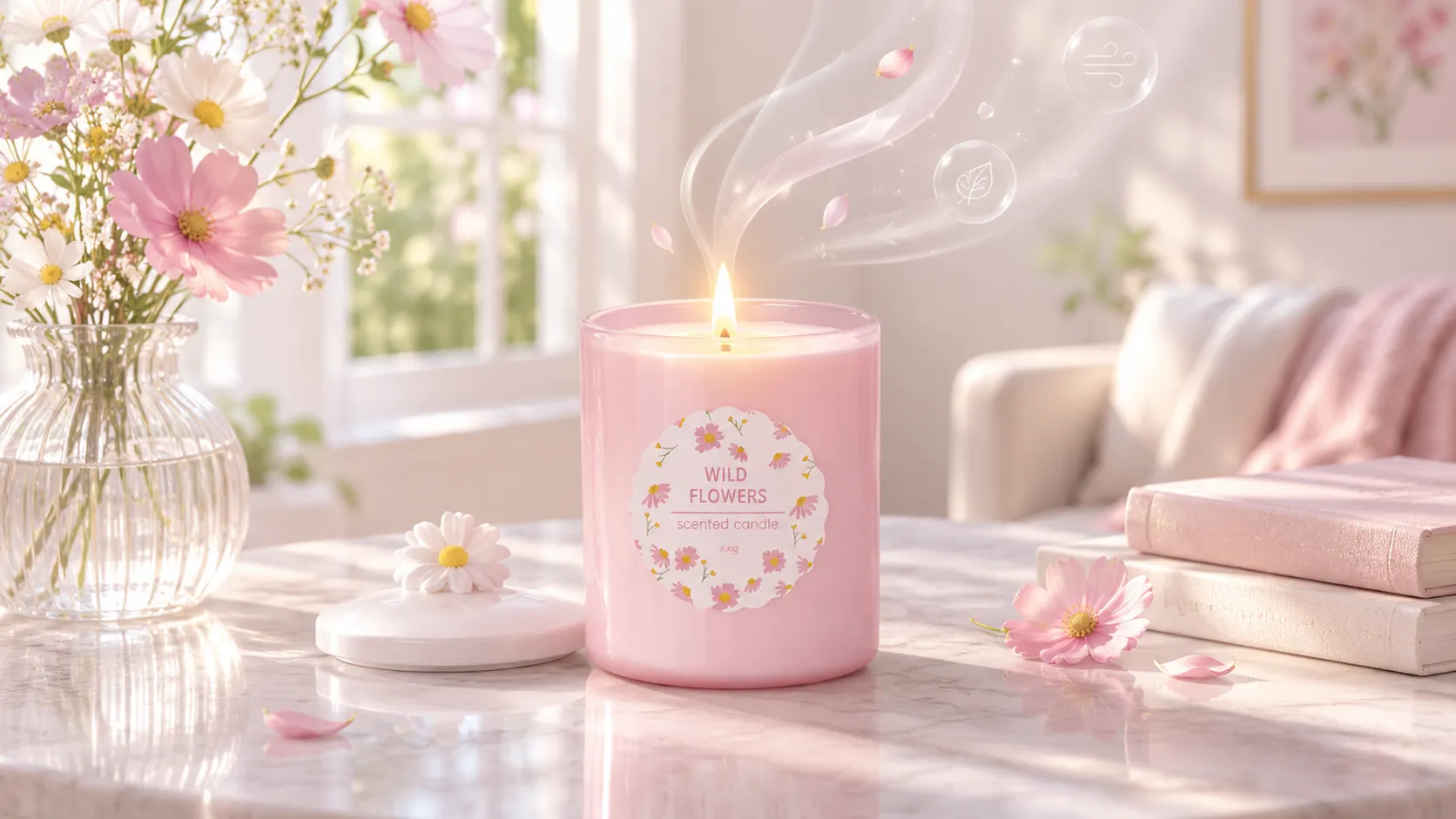
Are Scented Candles Bad for You?
Are scented candles bad for you? Burning scented candles releases small particles, gases, and fragrance compounds into indoor air. However, current research does not establish that occasional candle use in a well-ventilated room causes serious health problems.
The effects depend on the candle's materials, how it burns, room ventilation, and how often it is used. People with asthma or fragrance sensitivities may experience irritation more easily.
Understanding candle emissions and simple safety practices can help you make informed choices.
Are Scented Candles Toxic? What Do They Release?
When a candle burns, melted wax fuels the flame. This process can release particles and gases into the air.
Scented candles may release:
| Emission | What It Means |
|---|---|
| Particulate Matter (PM) | Tiny particles that can enter the lungs |
| Volatile Organic Compounds (VOCs) | Chemicals released into the air as gases |
| Soot | Dark particles linked to incomplete burning |
| Fragrance Compounds | Ingredients that create the candle's scent |
The US Environmental Protection Agency identifies burning candles as a source of indoor particulate matter.
However, detecting a chemical does not automatically mean it is present at a harmful level. Health risks depend on the substance, amount, and duration of exposure.
Are Scented Candles Bad for Indoor Air Quality?
Yes. Scented candles can affect indoor air quality, especially in small rooms with limited ventilation.
Several factors influence the amount of pollution:
- Number of candles burning
- Length of each burn session
- Room size and ventilation
- Wax type and fragrance ingredients
- Wick size and flame behavior
A 2021 study published in Environment International examined emissions from 24 scented and unscented candle types.
The researchers found that emissions varied by candle formula. In most of their modeled indoor exposure scenarios, measured substances with health-based reference values stayed below the levels used for comparison.
The study does not prove that all candles are harmless. It shows why actual emissions and exposure conditions matter more than broad claims about candle ingredients.
Burning candles in ventilated rooms can help reduce the buildup of indoor pollutants.
Do Scented Candles Cause Cancer?
Current research has not established that ordinary household candle use causes cancer.
Some candle emissions may contain chemicals that are harmful at sufficiently high exposure levels. However, detecting these substances does not prove that typical household candles cause cancer.
Risk depends on how much of a substance you inhale, how long you are exposed, and how frequently exposure occurs.
Laboratory studies help researchers measure emissions, but their findings should not be treated as direct evidence of cancer risk from everyday candle use.
The practical approach is to limit unnecessary smoke and maintain good ventilation rather than assuming all scented candles are either completely safe or dangerous.
Are Scented Candles Bad for Your Lungs?
Some people may experience symptoms after exposure to candle smoke or fragrance.
The American Lung Association notes that fragranced products can cause symptoms in sensitive individuals, including:
- Coughing or wheezing
- Eye, nose, or throat irritation
- Headaches
- Breathing discomfort
People with asthma, allergies, COPD, or fragrance sensitivities may react more strongly.
If a scented candle triggers symptoms, stop using it and move away from the exposure.
For people with fragrance sensitivities, avoiding scented candles may be more effective than choosing a different fragrance.
Are Soy Candles Safer Than Paraffin Candles?
Soy candles are often described as a natural alternative to paraffin wax candles. However, natural materials are not automatically safer.
Different candle waxes have different properties.
| Wax Type | Main Characteristic |
|---|---|
| Soy Wax | Plant-based wax |
| Paraffin Wax | Petroleum-derived wax |
| Coconut Wax | Plant-derived wax, often used in blends |
| Cera de abelha | Natural wax with its own scent |
| Blended Wax | Combines different wax materials |
Both soy and paraffin candles can release particles when burned.
The wax's melting point affects how it melts and behaves during candle making, but it does not establish whether the finished candle is safer.
A 2021 candle-emission study found that no tested unscented wax type had a consistently better emission profile across all measurements.
Instead of judging safety by wax type alone, consider the complete candle formula, wick, fragrance, and burning performance.
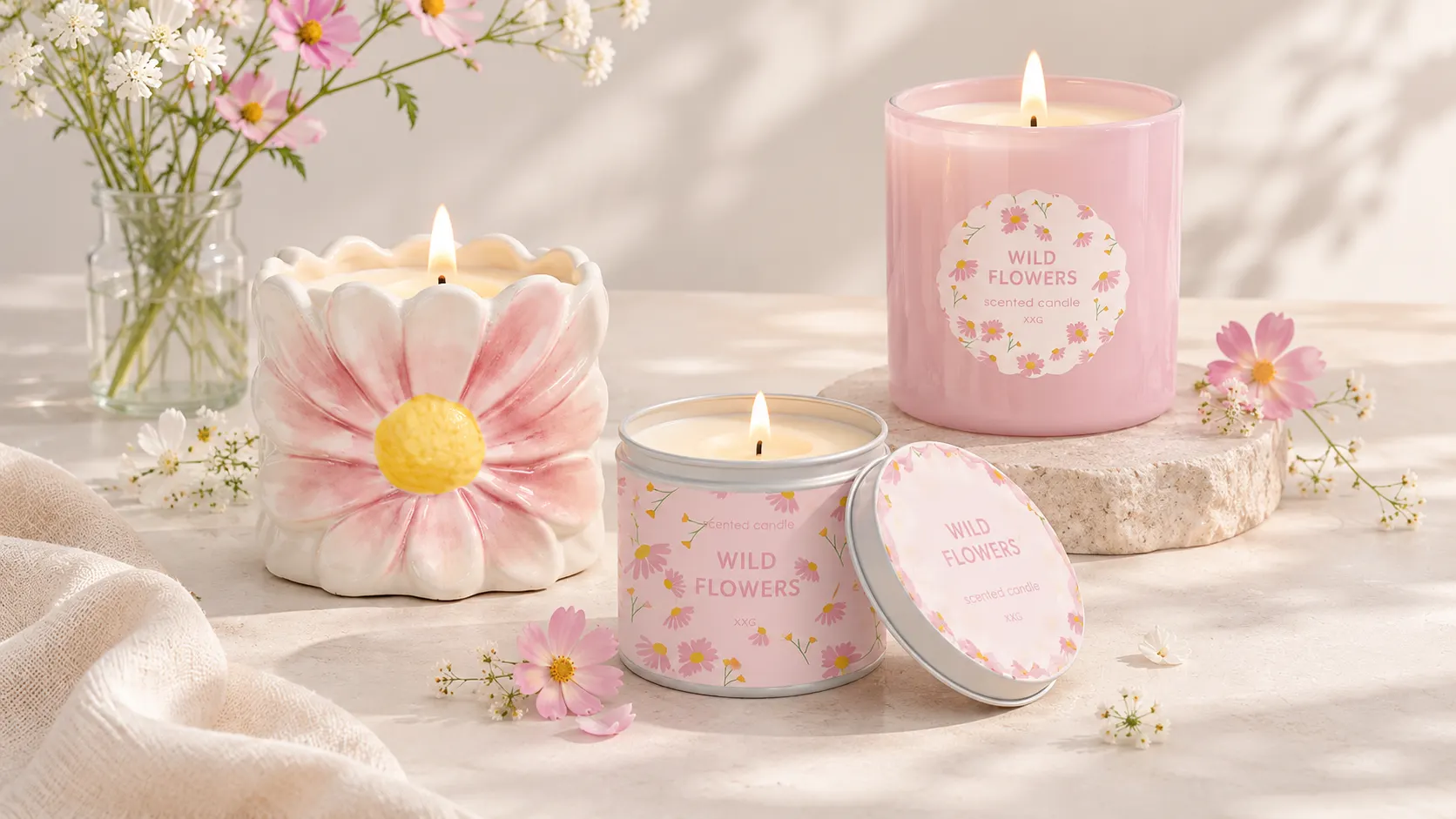
Are Essential Oil Candles Safer Than Fragrance Oil Candles?
Não necessariamente.
Essential oils come from botanical sources, while fragrance oils may contain natural and synthetic ingredients.
Both can contain substances that irritate sensitive individuals.
The source of a fragrance does not determine its safety.
Fragrance load also affects candle performance. Adding more fragrance oil does not always improve scent strength and may cause problems with how the candle burns.
Choose candles with fragrance ingredients suitable for candle use and follow the manufacturer's instructions.
For more information, read Será que mais óleo de fragrância faz uma vela mais forte?.
How Can You Burn Scented Candles More Safely?
A few simple habits can help reduce unnecessary smoke and exposure.
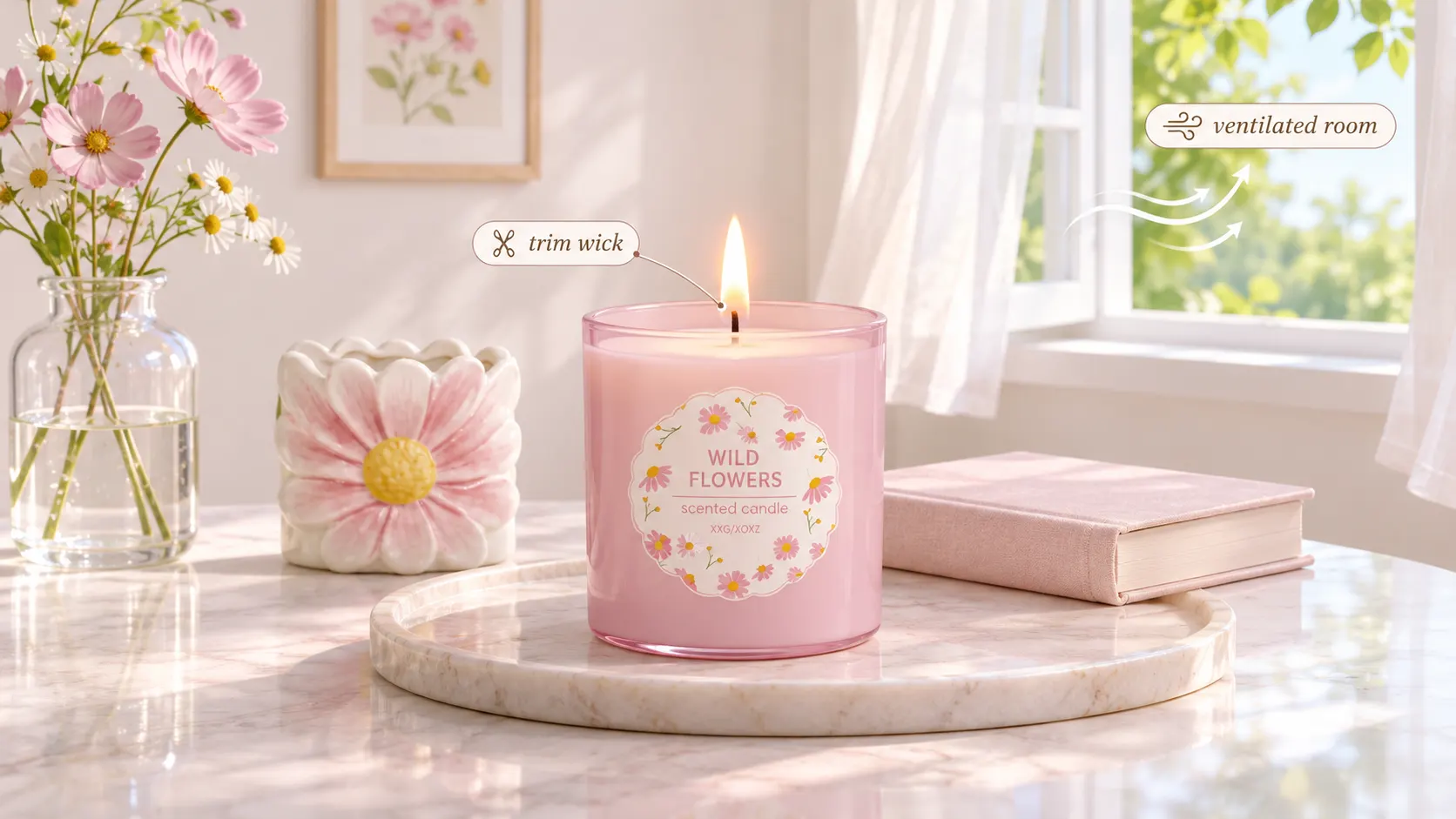
1. Use good ventilation
Burn candles in ventilated rooms. Avoid burning several candles for long periods in small, closed spaces.
2. Trim the wick
Before lighting, trim the wick according to the candle instructions.
For many candles, the recommended wick length is approximately ¼ inch (6 mm). Regular wick trimming can help reduce excessive soot and control flame size.
3. Watch how the candle burns
If the candle produces excessive smoke or develops an unstable flame, extinguish it safely and check the cause.
4. Store candles properly
Keep unused candles in a cool, dry place away from direct sunlight and heat.
5. Follow candle safety instructions
Never leave a burning candle unattended. Keep it away from curtains, paper, and other flammable materials.
These practices can reduce avoidable risks, but they do not eliminate all candle emissions.
How Do You Choose High Quality Scented Candles?
When choosing high quality candles, look beyond the fragrance, price, and packaging.
Check the following:
| O Que Verificar | Why It Matters |
|---|---|
| Wax and Fragrance Information | Helps identify the materials used |
| Wick Design | Affects flame behavior and soot |
| Teste de gravação | Helps evaluate how the finished candle burns |
| Safety Label | Provides proper burning instructions |
| Finished Product Quality | Helps identify visible defects |
For candles with metal core wicks, check the wick material.
In the United States, the Consumer Product Safety Commission restricts lead in metal-cored candle wicks to no more than 0.06% by weight of the metal core.
A properly conducted burn test can help identify performance problems. However, passing a burn test does not prove that a candle produces zero emissions.
Perguntas Mais Frequentes
Are scented candles bad for your health?
Scented candles release particles and fragrance compounds into indoor air. The potential health effects depend on exposure levels, ventilation, and individual sensitivity. Occasional use is not the same as prolonged exposure in a poorly ventilated room.
Are scented candles toxic?
Scented candles can release chemicals and fine particles when burned. Whether those emissions present a meaningful health risk depends on their type, concentration, and duration of exposure.
Do scented candles cause cancer?
Current evidence does not establish that ordinary household candle use causes cancer. Reducing unnecessary exposure to combustion emissions is still a sensible precaution.
Are scented candles bad for asthma?
They can trigger coughing, wheezing, or other symptoms in some people with asthma. If fragrance or candle smoke worsens your symptoms, avoiding scented candles is advisable.
Are soy candles better than paraffin candles?
Not always. Wax origin alone does not determine health risk. The complete candle formula and burning conditions also matter.
Are unscented candles safer?
Unscented candles avoid added fragrance ingredients, but burning wax and wicks can still release particles and gases.
What Should Candle Brands Check Before Production?
For brands and wholesale buyers, candle quality involves more than selecting wax and fragrance.
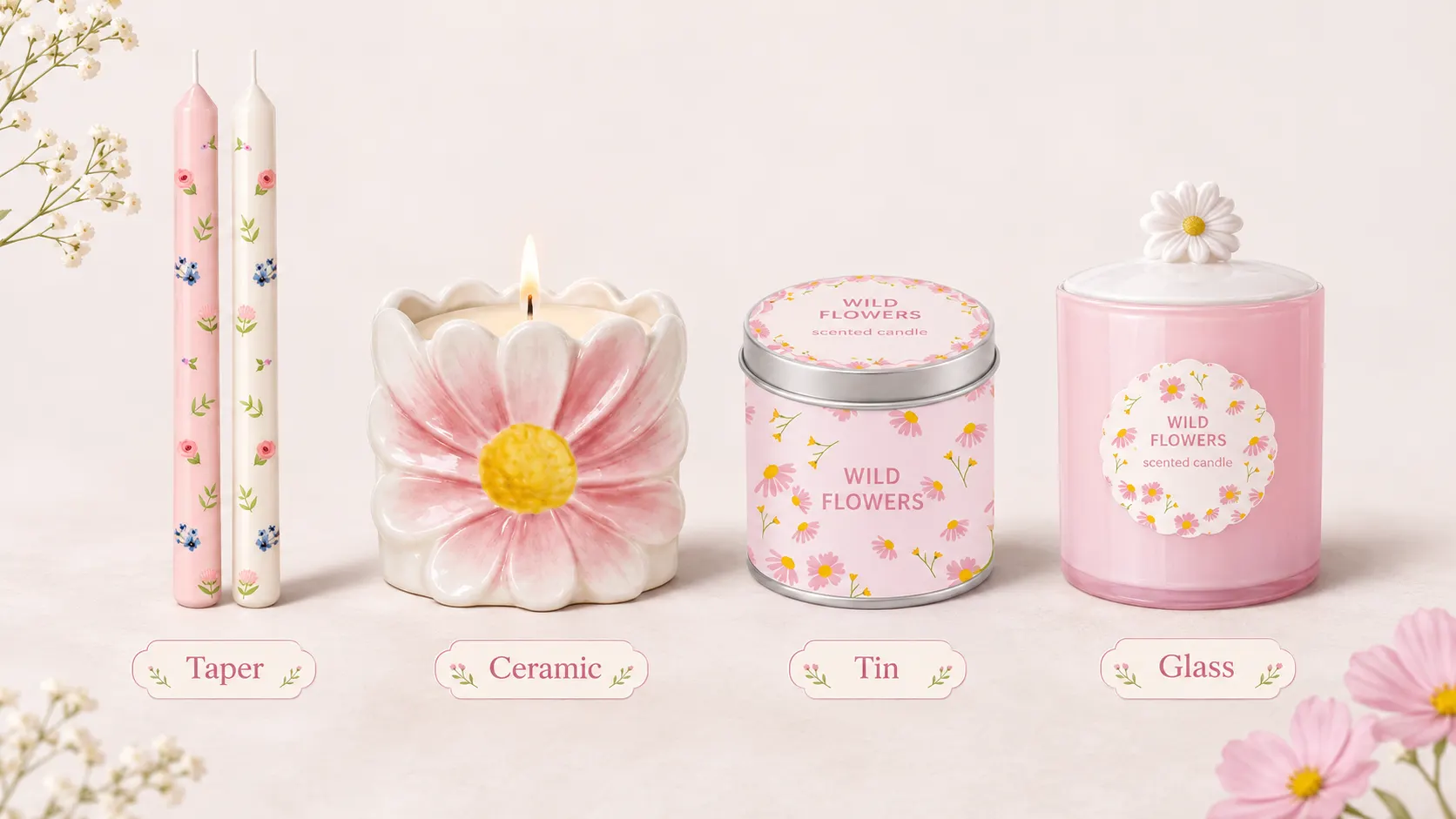
UNCANDLE supports OEM and ODM scented candle development, including wax and wick selection, fragrance options, container design, sampling, and private label packaging.
Before mass production, buyers should review finished-candle performance, material specifications, and relevant safety requirements for the target market.
Contact UNCANDLE to discuss your scented candle project.